Thinking about buying a historic home in North Main? You are not just shopping for square footage. You are weighing craftsmanship, maintenance needs, renovation rules, and long-term value in one of Greenville’s most layered residential areas. This guide will help you understand what to expect, what to inspect, and how to plan with confidence before you buy. Let’s dive in.
What Makes North Main Historic
North Main is not a one-era neighborhood with one look. According to the North Main Community Association’s neighborhood history, the area developed in phases after trolley service reached Stone Avenue, with further growth after North Main was paved in the 1920s. By 1931, the basic community layout was in place.
That phased growth matters when you start touring homes. The same local history and Greenville’s architectural inventory point to a residential area with homes dating mainly from the late 1930s through the 1950s, alongside earlier examples. In practical terms, you should expect a block-by-block mix rather than one uniform historic district feel.
What Home Styles You May See
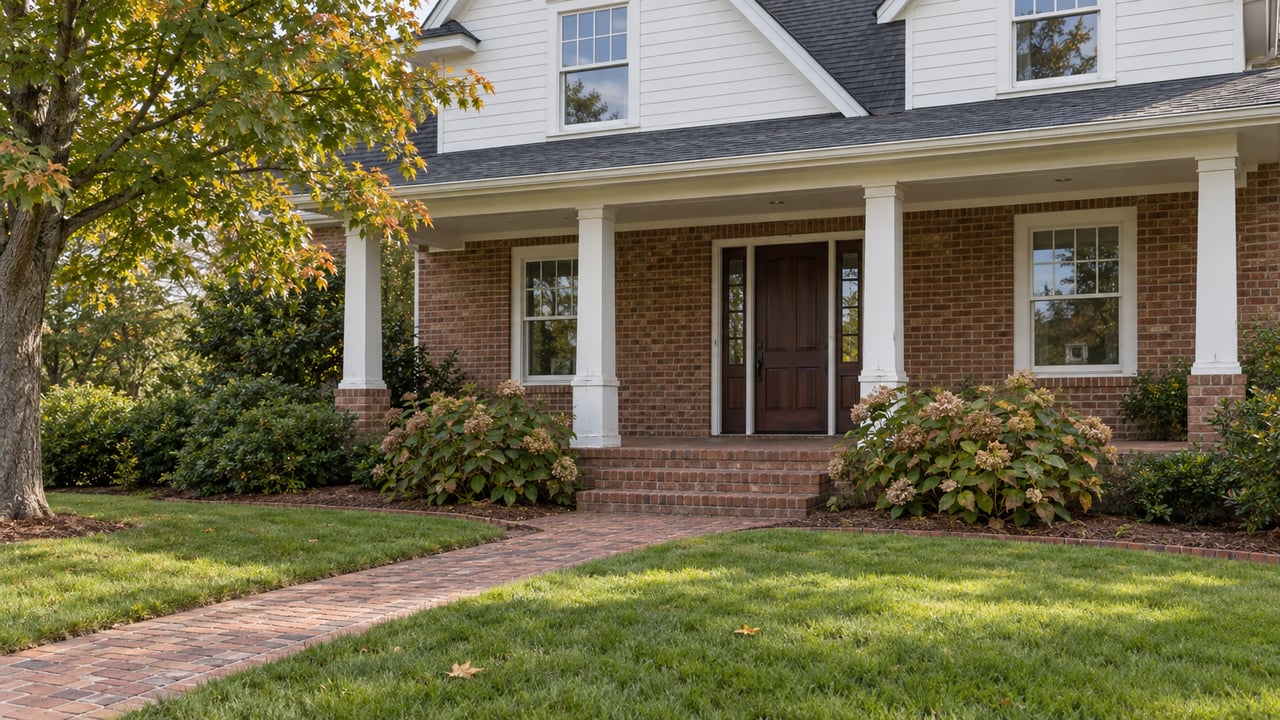
Part of North Main’s appeal is variety. Documented homes in the area include an early bungalow and a Spanish Revival mansion, while broader Greenville surveys identify styles such as Colonial Revival, Craftsman, American Foursquare, Queen Anne, Neoclassical, Minimal Traditional, and Ranch as common local types.
For you as a buyer, architectural style is more than curb appeal. It can offer clues about the home’s original materials and features, like wood windows, porch columns, rooflines, trim details, and masonry, that may be worth preserving or repairing instead of replacing.
Why Style Matters Before You Buy
Older homes often tell you what they need if you know what to look for. A Craftsman may have original porch details and wood windows that add character but require thoughtful upkeep. A Ranch or Minimal Traditional home may have simpler lines but still come with age-related concerns tied to drainage, roofing, or past repairs.
That is why historic-home buying should go beyond finishes and staging. You want to understand how the house was built, what has been changed over time, and whether key original features are still in place.
What to Ask During Inspection
A standard home inspection should review the visible structural system, foundation, exterior, roof, plumbing, electrical, heating, cooling, insulation, ventilation, and fireplaces or solid-fuel appliances under the North American Association of Home Inspectors standards of practice. For a historic home, though, you should ask for added attention in a few areas.
Focus on Moisture and Drainage
Water management is one of the biggest preservation issues in older homes. The National Park Service guidance on controlling moisture emphasizes that keeping roofs and drainage systems weather-tight is central to preventing deterioration.
Ask the inspector about:
- Roof condition
- Flashing details
- Gutters and downspouts
- Grading around the foundation
- Signs of past or active leaks
- Areas with trapped moisture or repeated patchwork repairs
Ask About Repair vs. Replacement
If the house still has original windows, porch components, siding, or masonry, ask whether those features can be repaired instead of replaced. The National Park Service recommends a repair-first approach for historic windows and cautions that incompatible replacement materials can damage a home’s historic fabric.
This does not mean every old component must stay exactly as-is. It means you should understand what is salvageable, what is failing, and what kind of work will protect the home’s character and performance over time.
Check for Lead-Safe Planning
If the home was built before 1978, lead-safe practices should be part of your renovation planning. The EPA explains that older homes are more likely to contain lead-based paint, and it notes that about 87% of homes built before 1940 contain some lead-based paint.
Before any paint-disturbing work, ask how lead-safe requirements could affect your timeline and contractor choices. Renovation work in pre-1978 housing must be handled using lead-safe certified practices under EPA rules.
Historic Status and Renovation Rules
One of the most common questions buyers ask is whether “historic” automatically means restricted. The short answer is no. According to the South Carolina Department of Archives and History, National Register listing is not the same as local regulation.
What matters most is whether the property is inside a designated local historic district. Greenville states that exterior alterations in a designated historic district require a Certificate of Appropriateness through the Historic Review Board. That is why parcel-level confirmation matters before you make renovation plans.
What to Verify Before Closing
Before you buy, it is smart to confirm:
- Whether the property is in a designated local historic district
- Whether exterior changes may require review or approval
- Whether prior surveys or evaluations exist for the property
You can research prior evaluations through SCDAH survey resources, and Greenville also maintains historic-district resources. Doing this homework early can help you avoid surprises after closing.
How to Budget for a Historic Home
If you are buying an older home in North Main, your first-year budget should usually prioritize protection over cosmetics. Based on National Park Service guidance, the practical priorities are often roof condition, moisture control, windows, and deferred maintenance tied to original materials.
That can be a mindset shift if you are coming from newer construction. The goal is to stabilize the home first, then make thoughtful updates without creating larger repair issues later.
Smart First-Year Priorities
Consider putting early budget dollars toward:
- Roof and flashing repairs
- Gutter and downspout maintenance
- Drainage improvements around the foundation
- Window repair where feasible
- Masonry joint repairs with compatible mortar
- Fixing deferred maintenance before starting cosmetic projects
The Secretary of the Interior’s Standards for historic properties support preserving existing materials, repairing character-defining features first, and replacing only when deterioration is too severe.
How to Think About Materials
Not every historic-home project is all or nothing. Sometimes original materials can be repaired. Sometimes replacement is necessary. When replacement cannot be avoided, the standard approach is to match the old work in design, color, texture, and, where possible, materials.
If substitute materials come into play, choose carefully. The National Park Service notes that substitute materials may be appropriate in some cases, but compatibility matters and the goal is to avoid unnecessary loss of historic integrity.
Tax Credits You May Want to Explore
Renovation costs can add up quickly, so incentives are worth discussing early. The South Carolina Department of Archives and History says an owner-occupied historic residence may qualify for a 25% state historic rehabilitation tax credit, and applications must be submitted before work begins.
For income-producing historic buildings, SCDAH says owners may qualify for a 20% federal credit plus a 10% state credit or an optional 25% state credit, depending on program rules. If a North Main purchase is tied to a larger rehab plan, timing and eligibility should be part of your due diligence before closing.
Why North Main Requires Block-by-Block Evaluation
One of the biggest mistakes buyers make in older neighborhoods is assuming every home comes with the same age, condition, or oversight. In North Main, that shortcut does not work. The area developed over multiple decades, so one block may tell a different story than the next.
That is why local context matters. You want to evaluate the house, the parcel, its historic status, and the condition of original materials on a case-by-case basis rather than making assumptions based on the neighborhood name alone.
Buy With a Clear Plan
A historic home in North Main can offer charm, craftsmanship, and a strong sense of place, but the right purchase depends on clear-eyed planning. If you understand the home’s style, inspect for moisture and deferred maintenance, verify any local historic review requirements, and budget for repair-first stewardship, you can move forward with fewer surprises.
If you are weighing homes in North Main and want sharp, neighborhood-level guidance from a team that understands Greenville block by block, connect with SERHANT. for informed representation and a smoother buying strategy.
FAQs
What makes North Main different from a single-period historic district?
- North Main developed in phases from the 1910s through the postwar era, so buyers should expect a layered mix of home ages and styles rather than one uniform period of construction.
What should buyers inspect first in a historic North Main home?
- Buyers should pay close attention to roof condition, flashing, gutters, drainage, moisture intrusion, and signs of piecemeal repairs, since water management is a major issue in older homes.
What should buyers know about original windows in historic homes?
- Original windows may often be repairable, and preservation guidance generally supports repairing historic windows before replacing them with substitute materials.
What should buyers know about lead paint in older Greenville homes?
- If a home was built before 1978, buyers should plan for lead-safe renovation practices because older homes are more likely to contain lead-based paint.
What does historic status mean for exterior renovations in Greenville?
- Historic status does not always mean restrictions, but if a property is inside a designated local historic district, exterior changes may require a Certificate of Appropriateness from Greenville’s Historic Review Board.
What should a first-year historic home budget cover in North Main?
- A smart first-year budget usually focuses on roof repairs, moisture control, drainage, window repair, and deferred maintenance on original materials before cosmetic upgrades.