Looking at Travelers Rest for your next Upstate investment? You are not alone. Investors are watching this small city just north of Greenville for its blend of trail-driven tourism, a growing downtown, and quick commuter access to the metro. In this guide, you will learn how to target the right property types, underwrite with local data, and avoid common zoning and utility pitfalls so you can move with confidence. Let’s dive in.
Why Travelers Rest attracts capital
Location and growth snapshot
Travelers Rest sits minutes north of Greenville with a short average commute. The U.S. Census estimates the city’s population at 8,960 as of July 1, 2024, reflecting roughly 15 percent growth since 2020 and a mean commute time of about 21.6 minutes. You can confirm population and commute data in the U.S. Census QuickFacts for Travelers Rest. These fundamentals support steady tenant and visitor demand as the region expands. U.S. Census QuickFacts for Travelers Rest
Trail and downtown demand
Downtown Travelers Rest sits directly on the Prisma Health Swamp Rabbit Trail, a regional multi-use greenway. The trail’s visibility and year-round use funnel foot traffic into Main Street, boosting retail activity and short-stay demand. If you are evaluating walkable rentals or short-term rentals near downtown, the trail is a core driver to factor into your underwriting. Swamp Rabbit Trail case study
Weekend events and amenities
Events and small festivals concentrate activity near the trail and downtown parks. The Saturday farmers market at Trailblazer Park is a good example of recurring activity that lifts weekend traffic. For STRs and furnished mid-term stays, this kind of amenity cadence can influence occupancy and average daily rate assumptions. Travelers Rest Farmers Market events
Property types and plays
Near Main Street and trail
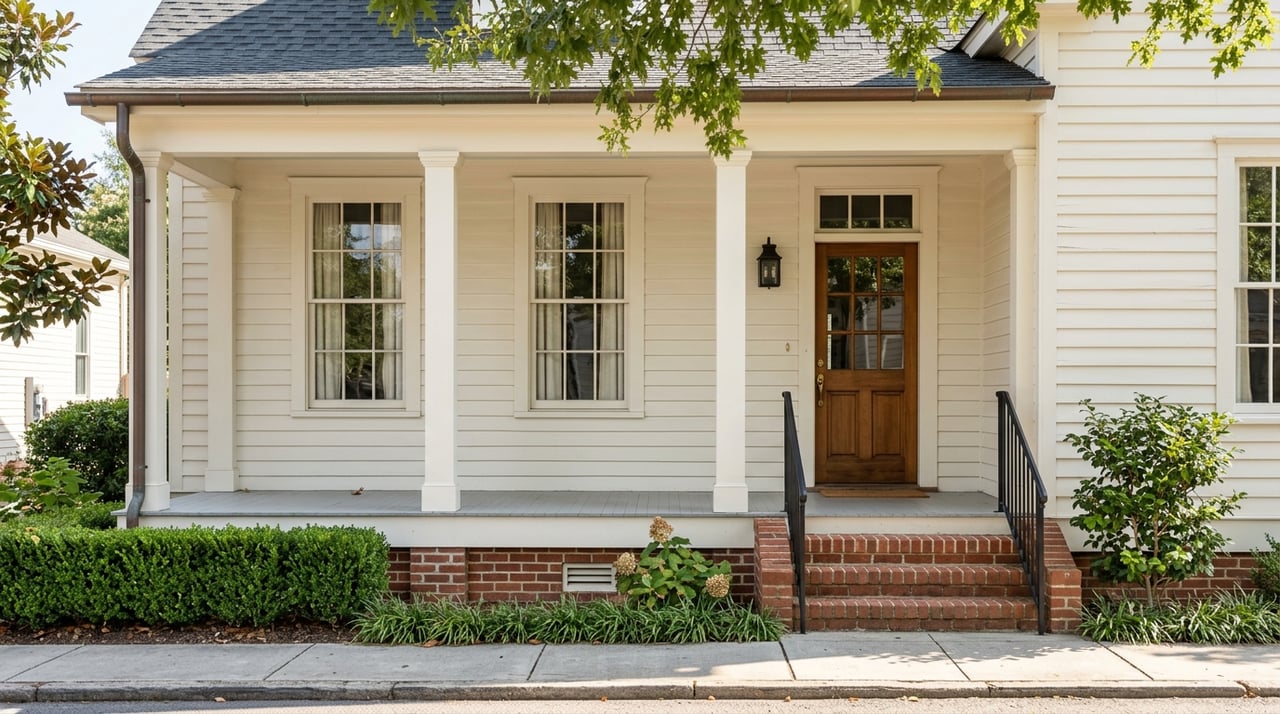
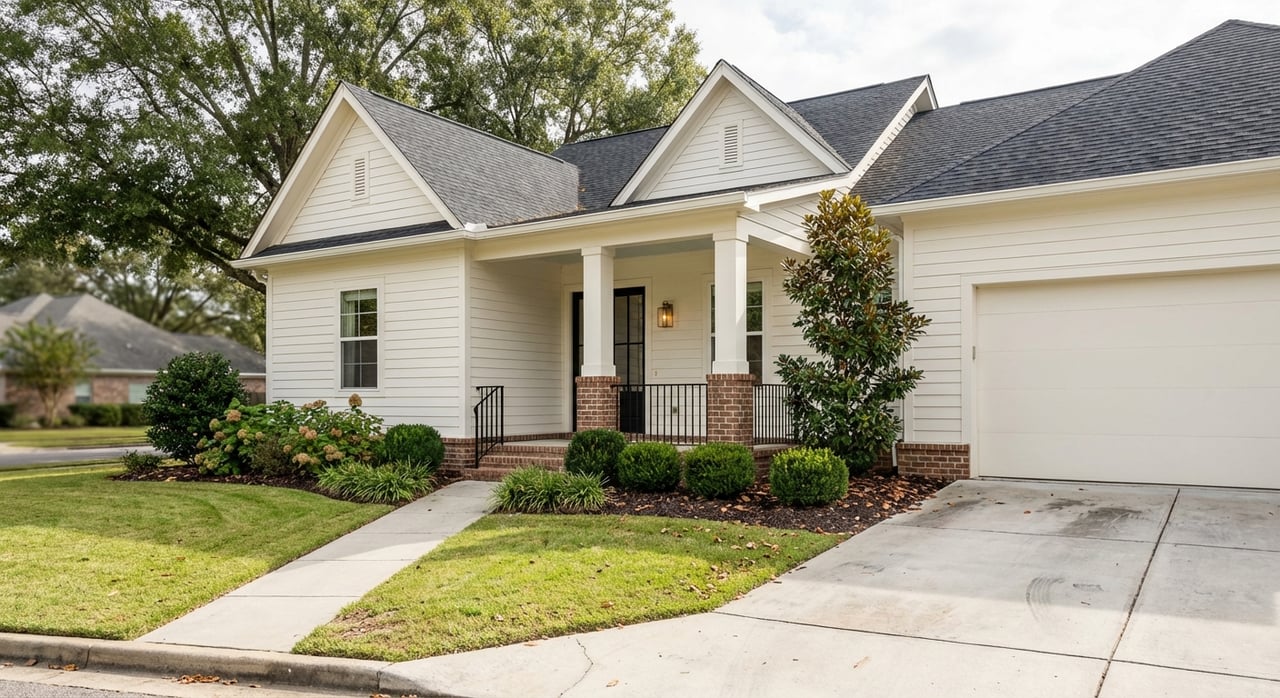
Close-in blocks around Main Street and the trail see demand from local professionals, remote workers, and visiting cyclists. Assets include single-family homes, duplexes and ADUs, small multi-units, and boutique B&B or STR conversions. Common strategies are to hold walkable SFRs for stable cash flow or operate furnished STRs where licensing and neighborhood context allow. Professional management and clear house rules help keep operations smooth.
Small multifamily and MHPs
Small multifamily buildings in the 6 to 20 unit range and manufactured-home communities have traded in the area. These can offer higher blended yields, but they require specialized operations and compliance with local rules. If you are new to these asset types, underwrite for conservative expense ratios and engage a manager early for realistic rent, turnover, and capital-expenditure planning.
Acreage and edge parcels
On the outskirts, you will find 2-plus acre tracts up to large parcels with river or hilltop features. Investors use these for land banking, future subdivision, or potential annexation into the city. Utilities, topography, and floodplain constraints are the gating items for near-term feasibility. Many buyers hold for 5 to 10 years while monitoring utility extensions and local planning activity.
Underwrite with local data
Build hyperlocal comps
Portal medians vary because each platform measures different footprints and time windows. Use hyperlocal comps pulled for your specific micro-area, such as the downtown trail corridor versus outlying acreage. Work from closed sales, active competition, and property manager rent rolls rather than a single portal number. For rent comps, group units by walkability, parking, bed-bath mix, and renovation level to avoid apples-to-oranges assumptions.
Taxes, insurance, and operating costs
South Carolina’s assessment ratio for non-owner-occupied property is typically 6 percent. Multiply the assessed value by combined local millage to estimate annual taxes, and verify the millage with the Greenville County assessor or treasurer. Get multiple insurance quotes, and add flood coverage if your lender or risk profile requires it. Maintain a realistic operating reserve for roof, HVAC, plumbing, and foundation items, especially in older homes. Greenville County property records and assessment info
Cap rate and NOI basics
Underwrite with a clear view of net operating income. Compute NOI as gross potential income minus vacancy and operating expenses, excluding debt service. Cap rate is NOI divided by purchase price or value. Use conservative rent and expense assumptions and stress test exits with local broker cap-rate insight. Cap rate and NOI overview
Zoning, utilities, and approvals checklist
- Zoning and overlays. The city uses multiple zoning districts and a Downtown Overlay that shapes density, uses, and the Swamp Rabbit Trail corridor. Confirm the parcel’s zoning before you make an offer and review whether your intended use is permitted. Travelers Rest zoning overview
- STR licensing. The city issues business licenses that are the normal path for STR and lodging operators. Confirm current licensing steps, transient accommodations-tax registration, and any neighborhood-specific limits before you underwrite an STR model. City business license application reference
- Utilities. Sewer collection and treatment involve local districts and regional providers. Availability, tap capacity, and lift-station constraints often decide feasibility for splits or conversions. Confirm service with MetroConnects, Greenville Water, and the City’s Public Works. Regional water and wastewater context
- Floodplain. The Reedy River corridor brings mapped FEMA flood zones and riparian buffers to certain parcels. Pull the official FEMA map, and request elevation certificates for structures near special flood hazard areas. FEMA Flood Map Service Center
- Septic and wells. If a parcel sits outside public sewer, septic feasibility is governed by South Carolina DHEC. Engineered systems are common where conventional systems are denied. Secure a soil evaluation and understand O&M requirements. SC onsite wastewater summary
- Timelines. Plan for 6 to 18 plus weeks for typical local entitlements, and longer if annexation or new infrastructure is required. Check recent city-council activity to gauge current pace and fees. Local council coverage
Step-by-step due diligence
Pre-offer checks
- Pull the county parcel report and confirm the official boundary on Greenville County GIS. Note access, frontage, and any easement notations. Greenville County parcel search
- Verify city versus county jurisdiction, zoning district, and whether the Downtown Overlay applies to the site. Travelers Rest zoning overview
- Search FEMA for flood zones and effective panel dates. If the structure is near a flood zone, factor flood-insurance premiums and mitigation into your offer. FEMA Flood Map Service Center
- Confirm public water and sewer availability and tap capacity with the utility providers. If sewer is unavailable, obtain a quote for a DHEC soil evaluation and consider engineered septic costs. Regional water and wastewater context
- For income property, request the current rent roll, deposits, leases, occupancy history, and any STR revenue statements. Ask a local manager to validate rent seasonality and operating assumptions.
Contingency period
- Order a title search and ALTA/NSPS survey. Confirm ingress and egress, trail or utility easements, and any conservation restrictions.
- Complete full physical inspections. For older housing stock, pay close attention to roofs, HVAC, plumbing materials, and foundations. If built before 1978, ensure federal lead-based-paint disclosures are provided.
- If flood risk is present, obtain a flood-elevation survey and evaluate floodproofing options. Consider a LOMA or LOMR process if warranted. FEMA Flood Map Service Center
- Screen for environmental issues. Consider a Phase I ESA for commercial or redevelopment plays, and wetlands delineation if streams or buffers are present.
- For septic and well properties, test systems and finalize DHEC permits. Understand any engineered system maintenance obligations. SC onsite wastewater summary
Financial closeout
- Finalize sales and rent comps for the micro-location using local MLS data, property manager insights, and county deed records.
- Recalculate NOI and cap rate with updated expenses, taxes, insurance, and any necessary reserves. Cap rate and NOI overview
- Estimate property taxes using Greenville County’s assessment guidance and confirm combined millage before closing. Greenville County property records and assessment info
- Bind hazard, liability, and flood insurance as required.
STR opportunities, realistically
Short-term rentals can perform near the trail and Main Street given steady weekend and seasonal demand. Success depends on the right block, professional operations, and compliance. The City’s business-license process is the expected path to operate STRs. Confirm the latest licensing steps, local accommodations-tax registration, and any HOA or neighborhood rules before you model occupancy and ADR. Build seasonality into your budget and keep a mid-term rental backup plan for shoulder months. City business license application reference
Sample investor scenarios
Trail-adjacent duplex. Acquire a two-unit within a short walk of Main Street. Option A is long-term tenants seeking a walkable lifestyle, with professional management and steady renewals. Option B is a licensed STR with cycling and weekend tourist demand, plus strict house rules and noise monitoring to protect guest quality and neighborhood compatibility.
Small multifamily, 10 to 16 units. Target a well-located asset with light value-add potential such as in-unit laundry or minor kitchen and bath updates. Stabilize rents to market with professional management and tighten expenses. Consider a refinance or sale once NOI supports your target cap rate.
Five to ten acres on the edge. Buy a parcel with reasonable access and a path to utilities, then hold while you confirm wetlands and topography. Depending on findings, pursue a minor subdivision, a build-to-rent concept, or a longer land-bank. The key variables are sewer availability and any floodplain or buffer impacts.
Work with Rossitto Collective
Rossitto Collective combines neighborhood-level market knowledge with modern, design-forward marketing to help you source, negotiate, and close the right opportunities. We tailor comps to the micro-neighborhood, flag zoning and utility constraints early, and position your exit with SERHANT.-powered distribution when it is time to sell. If you want a disciplined, data-backed plan for your next Travelers Rest investment, we are ready to help. Request Representation with the Rossitto Collective team at SERHANT.
FAQs
Is Travelers Rest attractive for long-term rentals?
- Yes. Population growth, short commutes, and trail-adjacent amenities support steady demand for well-located single-family and small multifamily rentals, especially near Main Street and the Swamp Rabbit Trail. U.S. Census QuickFacts
What short-term rental rules apply in the city?
- The city uses a business-license process for lodging and STR operations. Confirm current licensing steps, accommodations-tax registration, and any HOA or neighborhood limits before you buy. City license reference
How do utilities impact land deals near Travelers Rest?
- Sewer and water availability, tap capacity, and lift-station constraints often decide feasibility and timeline. Confirm with MetroConnects, Greenville Water, and the City’s Public Works before you price a subdivision or conversion. Regional utility context
What tax rate applies to Greenville County investment property?
- Non-owner-occupied properties are typically assessed at 6 percent of value, then multiplied by combined local millage. Verify millage with the county before closing. Greenville County assessment info
How long do local approvals usually take?
- Plan for roughly 6 to 18 plus weeks for common entitlements such as plats, permits, and variances, and longer if annexation or new infrastructure is required. Local council coverage