If you are selling a home in Downtown Greenville, great marketing is not optional. Buyers here are not just comparing square footage or bedroom counts. They are also weighing walkability, views, streetscape appeal, and how your property fits into a highly visible urban lifestyle. In this market, the right launch can shape buyer interest from day one. Let’s dive in.
Why Downtown Greenville Needs a Different Strategy
Downtown Greenville is not a one-size-fits-all market. In ZIP code 29601, Realtor.com reports a median home price of $585,000, 113 homes for sale, 78 average days on market, and a 99% sale-to-list ratio. Listings also get 1.02x more views than the national average, which suggests strong online attention, but not automatic results.
That matters because Greenville is also described as a balanced market. In other words, your listing still has to earn attention, build confidence, and convert interest into showings and offers. Strong pricing and polished presentation matter more than assuming buyers will overlook weak marketing.
Even within 29601, pricing varies by area. Realtor.com shows median home prices of $782,450 for Downtown Greenville, $618,305 for West End, $1,024,750 for the McBee Avenue Area, and $585,000 for East Downtown. That spread is a good reminder that a generic Greenville message is not enough. Your home needs neighborhood-specific positioning.
Sell the Downtown Lifestyle
A Downtown Greenville home is more than the property itself. According to official Greenville visitor resources, downtown offers a tree-lined, walkable Main Street, Falls Park, Liberty Bridge, museums, theaters, sports and entertainment venues, restaurants, rooftop bars, hotels, and public art. The same resource highlights 183 cafés and bars, 129 places to shop, and 60 things to do and see.
That means buyers are often purchasing an experience as much as a floor plan. Your marketing should help them picture daily life in this location. It should show what it feels like to step outside, walk to dinner, spend time in the park, or enjoy an active in-town routine.
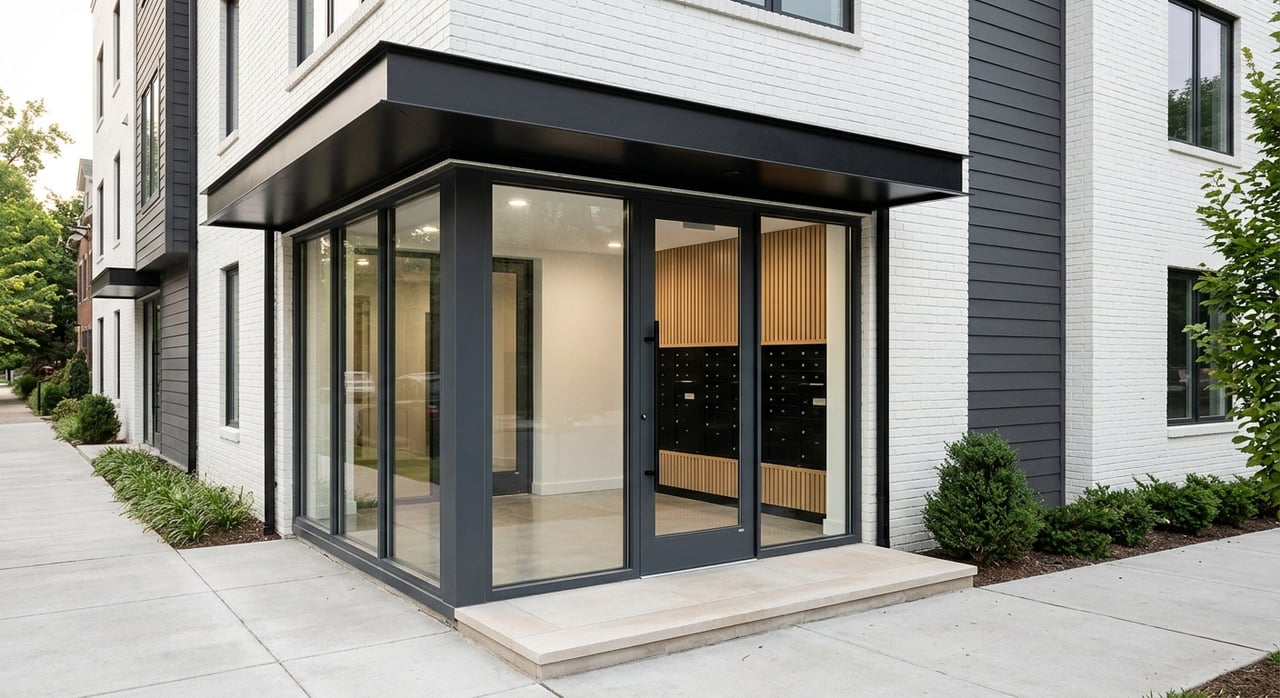
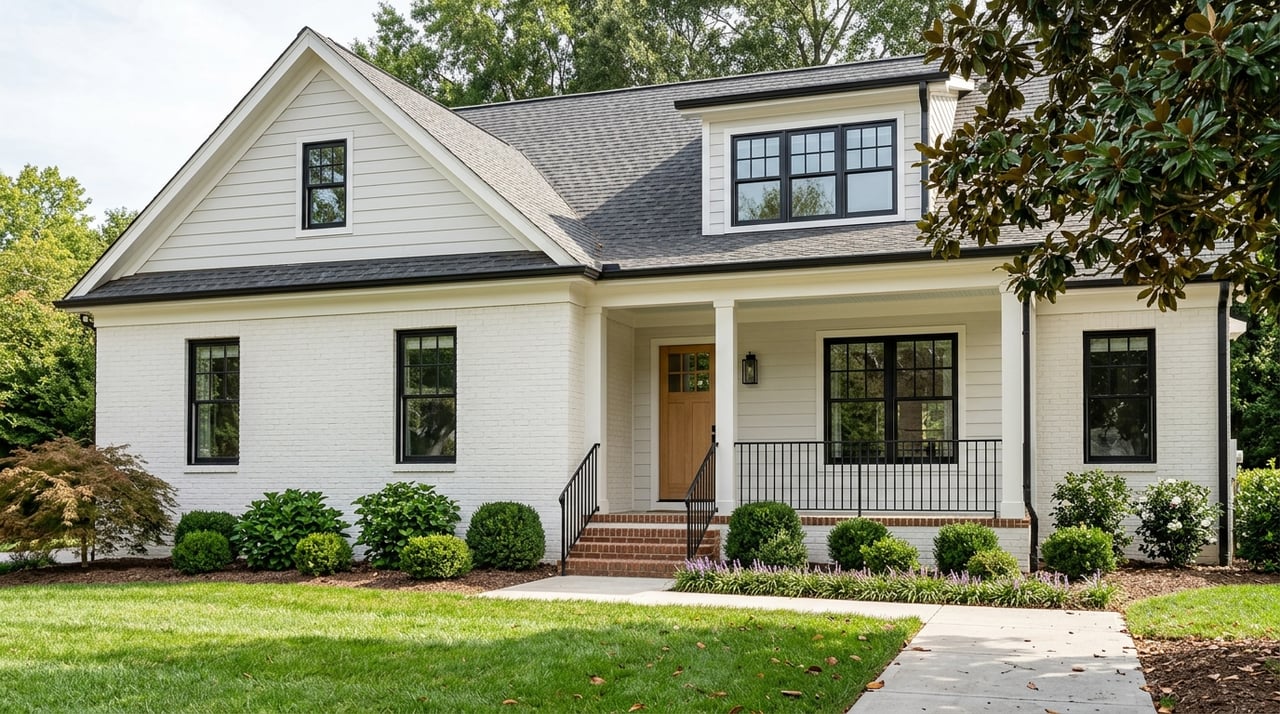
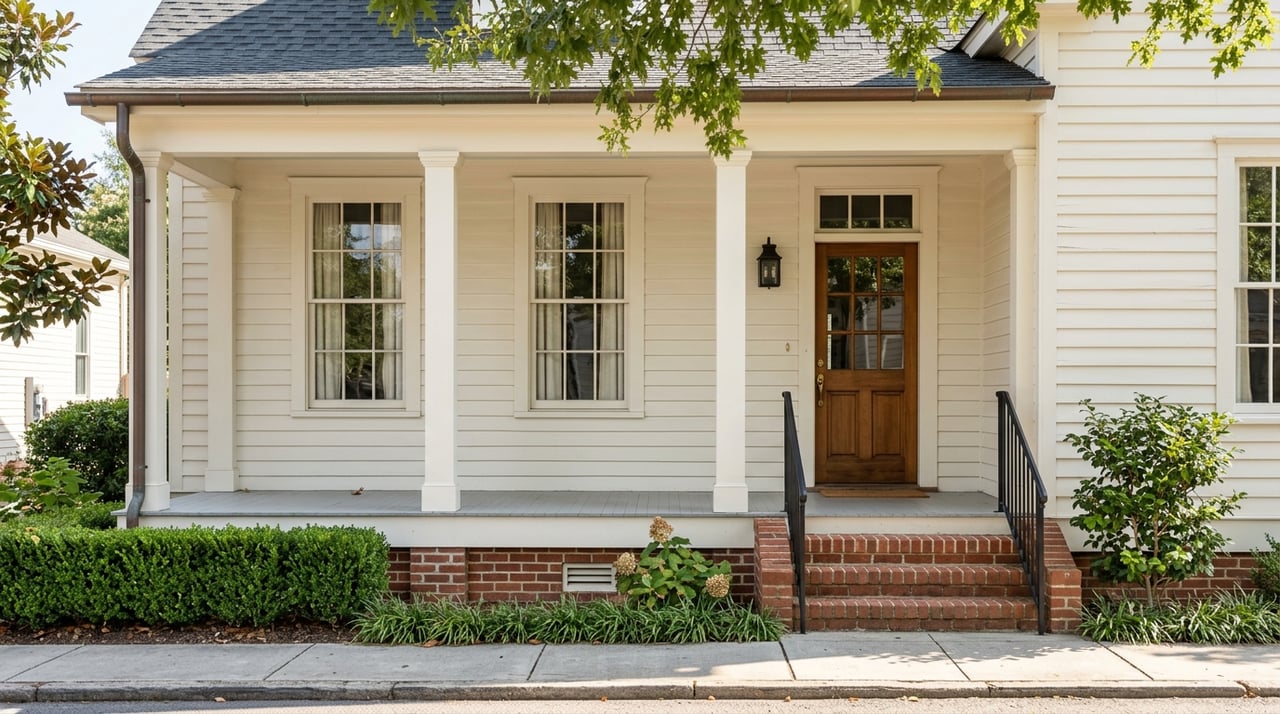
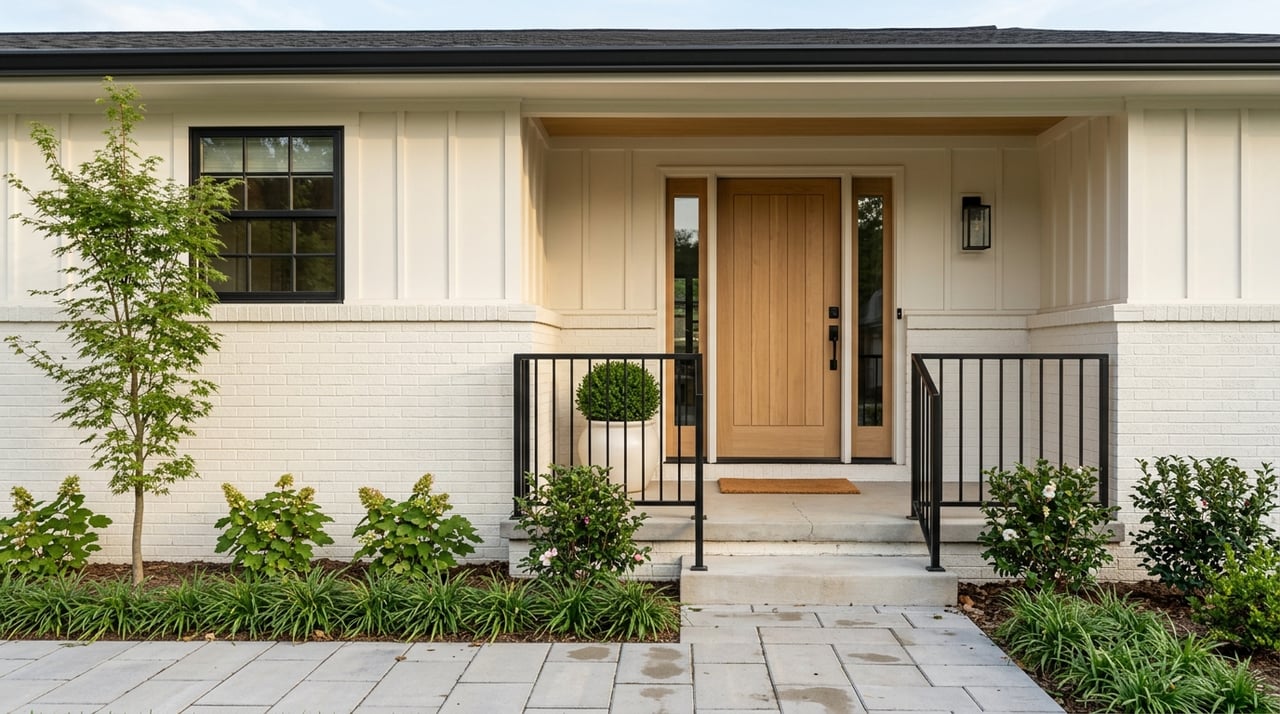
For condos and townhomes, that usually means focusing on low-maintenance living, building access, light, views, balcony or terrace use, storage, parking, and proximity to Main Street and Falls Park. For single-family homes, the message often expands to curb appeal, front-porch presence, and how the home fits into the surrounding streetscape.
Start With Price Positioning
Before photos, before ads, and before your listing goes live, you need a pricing strategy that fits your exact downtown pocket. Buyers in this market have options, and the variation within 29601 makes precision important. A Downtown Greenville condo should not be marketed the same way as a home in West End or the McBee Avenue Area.
This is where local knowledge matters. The goal is not to chase attention with an unrealistic number or leave money on the table with an underpriced launch. The goal is to position your home so the presentation, the price, and the buyer expectations all line up from the beginning.
When that alignment is off, your listing can lose momentum. With average days on market sitting at 78 in 29601, the first impression carries real weight. The homes that feel clearly positioned tend to create less friction during showings and negotiations.
Prep Before You Photograph
Most buyers start online, so your home needs to be camera-ready before the first image is taken. According to the National Association of Realtors, buyers’ agents said photos, traditional staging, videos, and virtual tours all matter in the home search process. That supports a simple rule: prep first, then capture.
NAR’s 2025 staging report found that the most common seller recommendations were decluttering, whole-home cleaning, and improving curb appeal. Minor repairs, paint touch-ups, and landscaping also ranked high. These steps do not guarantee a higher price on their own, but they can reduce distractions and help buyers engage with the home more confidently.
For downtown sellers, this often means editing the space so architectural details, natural light, and layout take center stage. The goal is to make the home feel clean, functional, and visually calm. Buyers should notice the windows, ceilings, finishes, and flow, not personal clutter or deferred maintenance.
Stage the Rooms That Matter Most
Not every room needs the same level of attention. In the 2025 Profile of Home Staging Snapshot, NAR found that the most commonly staged rooms were the living room, primary bedroom, and dining room. These spaces help buyers imagine daily life, which is especially important in a lifestyle-driven downtown market.
If you are preparing a condo, the living area often does most of the heavy lifting. It needs to show scale, comfort, and a sense of how the home lives day to day. If there is a view, terrace, or balcony, that space should also be styled in a way that feels usable and intentional.
If you are marketing a single-family home, your exterior deserves equal attention. Greenville’s historic district resources identify several areas near downtown, including West End, Pettigru, Hampton-Pinckney, Overbrook, Heritage, East Park Avenue, and Colonel Elias Earle. The city also maintains a Downtown Design Overlay resource, which is a reminder that façade details, curb appeal, and streetscape presentation matter in older in-town settings.
Invest in Professional Visuals
A downtown listing often wins or loses online before a buyer ever schedules a showing. NAR notes that 52% of buyers found the home they purchased online, and 81% rated listing photos as the most useful feature in their search. If the imagery is weak, the listing can lose momentum fast.
Professional photography is the baseline. Clean composition, natural light, balanced exposure, and strong sequencing help buyers understand the property quickly. In an area where listings already attract online views, the real challenge is converting that attention into action.
Video and virtual tours can add another layer of clarity. They help buyers understand flow, scale, and how the home connects to outdoor spaces or the surrounding block. For out-of-area buyers or busy local buyers, that added context can make your listing easier to trust.
Build a Strong First-Week Launch
Your first week on market is where strategy matters most. Once the home is prepped, staged, priced, and professionally captured, the launch should feel coordinated rather than pieced together. That includes MLS exposure, digital promotion, and a plan for following up on early response.
A strong sequence usually looks like this:
- Pre-list consultation and pricing strategy
- Decluttering, cleaning, and repairs
- Staging and styling
- Professional photography and video
- MLS and digital launch
- Review first-week activity and adjust if needed
That order matters. Staging before photography gives your home the best chance to stand out where buyers begin their search. In a balanced market, weak visuals or rushed preparation can make a listing feel stale before it ever finds its audience.
Match the Message to the Property Type
Downtown Greenville buyers are not all looking for the same thing. That means your marketing should reflect the kind of home you are selling.
Condos and Townhomes
For condos and townhomes, buyers often care about convenience and low-maintenance ownership. Marketing should highlight:
- Natural light
- Views
- Balcony or terrace use
- Storage
- Parking
- Elevator access, if applicable
- Proximity to Main Street, Falls Park, dining, and entertainment
These features help buyers connect the property to everyday downtown living. The message should be clear, visual, and practical.
Single-Family Homes
For single-family homes, the story usually broadens. Buyers may respond to:
- Curb appeal
- Porch presence
- Exterior details
- Streetscape fit
- Outdoor living potential
- The ease of enjoying an in-town location
In these cases, marketing should connect the home to its immediate setting. A downtown house is rarely just about interior updates. It is also about how the property lives within the neighborhood around it.
Reach Beyond Basic Exposure
Putting a home in the MLS is important, but it is not the whole marketing plan. In a premium downtown segment, polished digital distribution can create leverage before negotiations even begin. The more clearly your listing is presented across channels, the easier it is for buyers to understand the value.
That is one reason broader media reach can matter. SERHANT. ID Lab describes an in-house production studio and multi-channel marketing approach that includes social, digital, guerrilla, and traditional media. For a Downtown Greenville seller, that kind of support can help your home reach beyond basic listing exposure and into a more curated digital campaign.
For sellers, the benefit is simple. Better presentation can attract stronger interest, reduce confusion, and create a more confident showing environment. That does not replace pricing discipline, but it can strengthen your position when buyers start comparing options.
Marketing Should Reduce Friction
It is easy to think about marketing as a way to create buzz, but the bigger goal is often to reduce friction. Buyers move faster when the home feels easy to understand, easy to trust, and easy to picture themselves in. Good marketing helps remove the questions that cause hesitation.
That is why staging should not be framed as a guaranteed profit center. NAR’s reporting shows mixed views on direct price impact, but the practical benefit is still clear. Thoughtful prep and better visuals can improve buyer confidence, support cleaner negotiations, and help your home compete more effectively.
In Downtown Greenville, that kind of discipline matters. You are marketing into a visible, lifestyle-driven area where buyers notice details. When pricing, presentation, and distribution work together, your listing has a better chance to make the right impression early.
If you are preparing to sell in Downtown Greenville, Rossitto Collective combines neighborhood-level strategy with elevated, design-forward marketing backed by SERHANT. to help your home stand out where it matters most.
FAQs
Why does a Downtown Greenville home need different marketing than a suburban home?
- Downtown buyers are often evaluating walkability, lifestyle access, streetscape appeal, and proximity to destinations like Main Street and Falls Park, not just the home itself.
What rooms matter most when staging a Downtown Greenville listing?
- Based on NAR data, the living room, primary bedroom, and dining room are the most commonly staged rooms because they help buyers picture everyday living.
Does staging still matter in the Greenville balanced market?
- Yes. Staging can help reduce distractions, improve buyer confidence, and strengthen your listing presentation, even if it does not guarantee a specific price increase.
What features should sellers highlight in a Downtown Greenville condo or townhome?
- Focus on features like natural light, views, balcony or terrace use, storage, parking, elevator access if applicable, and proximity to downtown amenities.
How important are professional photos and video for a Downtown Greenville home sale?
- They are critical because many buyers begin online, and NAR reports that listing photos are one of the most useful features in the home search process.
How can broader digital marketing help a Downtown Greenville seller?
- Strong digital distribution can expand exposure, present the home more clearly across channels, and create better buyer engagement before showings and negotiations begin.